

Why We Can’t Stop Watching Mothers on the Brink
There is a quiet, heavy frequency humming through our screens lately, and it sounds a lot like a nervous breakdown muffled by a laundry pile.
If you’ve scrolled through a trailer list or walked past a cinema poster in the last few months, you’ve felt the vibration. We are currently mid-wipeout in a tidal wave of stories about mothers who are, quite simply, struggling to stay upright. From the visceral, hallucinogenic postpartum haze of Die My Love to the feverish, "I-might-actually-snap" anxiety of If I Had Legs I’d Kick You, the "Perfect Mother" archetype has finally been evicted. In her place, we’re getting something far more honest, far more raw, and—let’s be real—far more interesting.
A Different Kind of Mirror
We’ve seen the "mother on the edge" before, of course, but she usually arrived as a punchline or a cautionary tale.
In the recent past, we found relief in the "cool girl" rebellion of comedies like Bad Moms. We laughed because it was a safety valve; it poked fun at the absurdity of "doing it all" while keeping the stakes comfortably low. On the darker end of the spectrum, the unraveling mother was usually the villain of someone else’s origin story—the cold matriarch or the shadow in a child’s therapy session (I’m looking at you, Cinderella’s stepmother).
But the lens has shifted. The camera is staying in the room now. It’s no longer looking at the mother; it’s looking with her. We are witnessing the sensory overload of her world: the way the kitchen light feels aggressive at 6:00 AM, the heavy, ringing silence of a car after the engine cuts out, or the way her hands shake when the world asks for one more ounce of a soul she’s already given away. We aren’t looking at monsters anymore. We’re looking at women who are tired of being told they have to disappear so their children can exist.
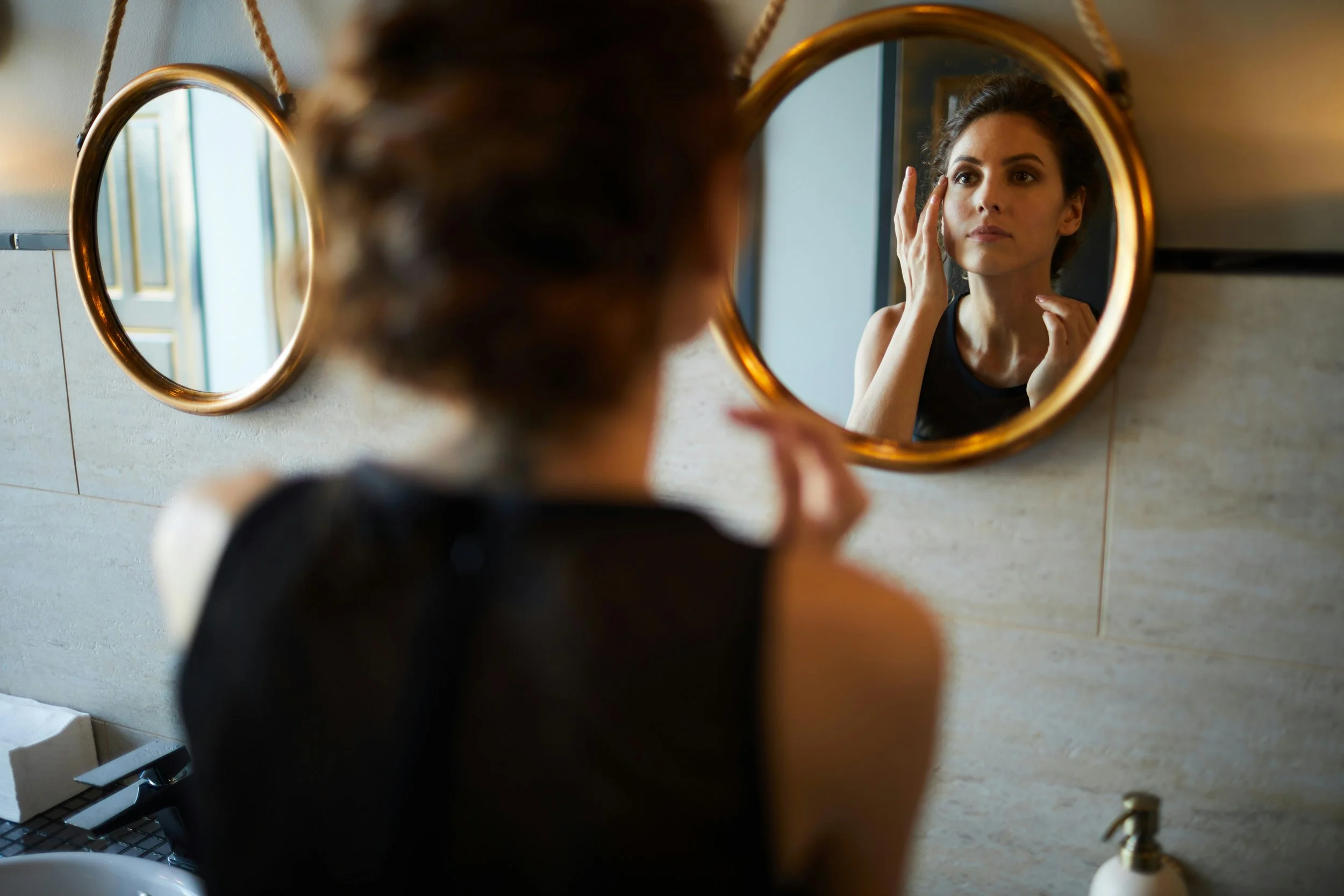
“The camera is staying in the room now. It’s no longer looking at the mother; it’s looking with her.”
Why Now? (And Why All at Once?)
The sheer volume of these stories in 2025 and 2026 feels less like a trend and more like a collective exhale.
For a long time, the messy infrastructure of motherhood—the white-hot rage, the intrusive thoughts, the "Who the hell was I in 2014?" identity crisis—was treated as a series of secrets. These were symptoms to be cured or failures to be hidden behind a high-end stroller.
But art has a cheeky way of naming what we’re finally brave enough to face. These films are stacking up because the "mental load" has shifted from a buzzword to a literal physical weight. We are parenting with less community and more observation than any generation in history. We are trying to break generational cycles and heal trauma while simultaneously trying to remember our own middle names. It’s a lot.
The Beauty and the Burden
As a therapist, I see these films as more than just "prestige cinema." They are externalized truths. When a client tells me they feel like a "bad person" because they feel empty or resentful, I think of these stories. I think about how much easier a burden becomes when you realize you aren’t the only one carrying the damn thing.
However, let’s add a necessary dose of clinical caution.
While it is culturally vital that we’re confronting these realities, watching them can be a double-edged sword. For mothers in the thick of a particularly grueling season, films like Nightbitch—while a magnificent adaptation—can feel less like a "release" and more like a "trigger."
Just because a story is honest doesn’t mean it’s the right time for you to witness it.
I encourage you to check in with your nervous system before hitting play. Ask yourself: Will watching an intense depiction of maternal unraveling feel like a "me too" moment, or will it just add to the weight I’m already carrying? If you’re unsure, give yourself permission to look away. True healing involves knowing when to lean in and when to protect your peace.
Being Seen
Maybe we’re drawn to these stories because they offer a permission slip. They tell us that you can be on the brink and still be human. You can be struggling and still be worthy of a seat at the table.

“When a client tells me they feel like a "bad person" because they feel empty or resentful, I think of these stories. I think about how much easier a burden becomes when you realize you aren’t the only one carrying the damn thing.”
Watching a mother lose her grip on screen allows us to gently tighten ours in real life. It reminds us that our "shadow parts" aren't something to be feared—they’re just parts of us that have been left in the dark for too long.
Sometimes, the version of you that is on the brink isn't someone who needs to be "fixed." She’s just someone who finally needs to be seen.
Did this resonate with you?
If you are looking for support as you navigate the intensity of parenthood and the work of breaking cycles, you may have found your landing place.
Reach out to us by filling out our contact form or giving us a call at 718-795-2879.
To follow us on Instagram, find us at@overturetherapy